Air Conditioning Solutions: Ensuring Your Home Stays Cool and Comfortable Every Season
Air conditioning services fulfill a critical role in maintaining a comfortable home environment throughout the year. They ensure systems run efficiently and have extended lifespans. Consistent upkeep can ward off typical issues, such as inadequate cooling or airflow problems. A large number of homeowners neglect the significance of these services, often leading to costly repairs. Gaining knowledge of the different system types and their upkeep requirements raises questions about what homeowners can do to enhance their comfort and energy efficiency.
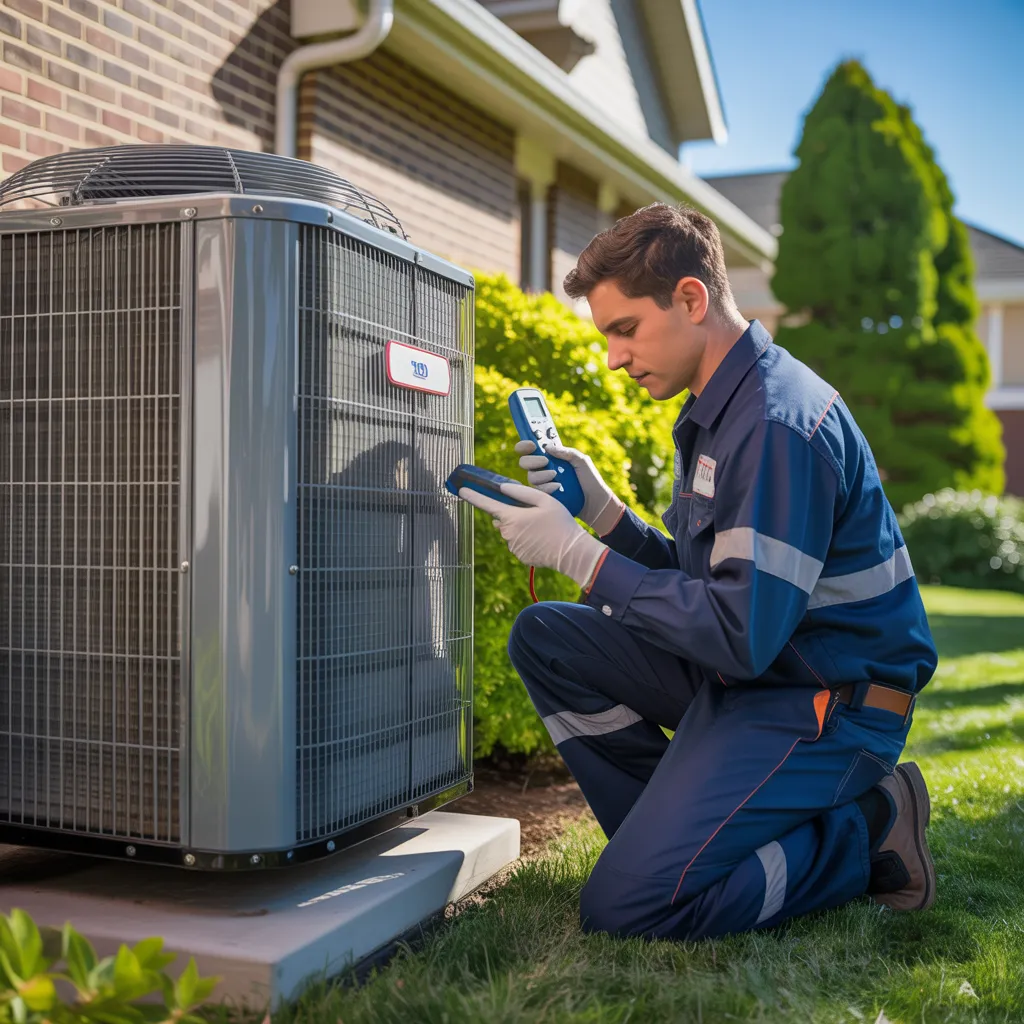
Kinds of Air Conditioning Systems for Any Home
When selecting an air conditioning unit, homeowners are presented with a variety of options suited to various needs and preferences. Central AC systems are popular for their ability to cool entire homes efficiently, often utilizing ductwork for air distribution. Ductless mini-split units deliver flexibility, permitting homeowners to regulate temperatures in specific rooms without the need for extensive ductwork. Window units serve as an affordable solution for smaller space cooling, while portable air conditioners provide ease of installation and mobility. Moreover, geothermal systems utilize the earth's consistent temperature to offer efficient heating and cooling solutions. Each type presents individual benefits, including varying levels of energy efficiency, setup costs, and cooling capabilities. Being aware of these options empowers homeowners to make educated decisions, guaranteeing their selected system matches their unique requirements and way of life. In the end, the right air conditioning system greatly enhances a comfortable home environment all year long.
Why Consistent AC Maintenance Is Essential
Consistent AC maintenance secures peak performance and longevity of cooling systems. Such periodic maintenance is vital for making sure all parts operate at their best, avoiding undue stress on the system. By scheduling regular inspections, residents can spot developing concerns before they escalate into costly repairs. Well-maintained filters and coils enhance ventilation and system performance, which not only enhances comfort but also reduces energy bills.
In addition, consistent upkeep helps sustain optimal air quality by reducing dust and allergens circulating in the home. Professionals can also inspect coolant levels and electrical wiring, guaranteeing safe system operation. Many manufacturers recommend annual service appointments to preserve warranty validity, stressing the value of this maintenance habit. All things considered, prioritizing regular AC maintenance leads to consistent cooling performance, extended system longevity, and homeowner peace of mind, enabling them to experience a comfortable home environment all year long.
Troubleshooting Common Air Conditioning Problems
Addressing frequent air conditioning issues is essential for preserving top-level efficiency. Numerous homeowners often face issues such as insufficient cooling or odd noises emanating from their equipment. Identifying these problems early helps avoid costly repairs and maintain a comfortable living space.
Insufficient Cooling Problems
Insufficient cooling can cause homeowners to feel uneasy and dissatisfied, especially during the scorching summer months. Typical culprits behind poor cooling performance often consist of dirty air filters, which reduce the flow of air, and blocked vents that hinder the proper distribution of conditioned air. Refrigerant leaks can also hinder performance, as insufficient refrigerant diminishes the unit's cooling effectiveness. Furthermore, incorrectly sized systems may have difficulty reaching the desired temperature, leading to inconsistent temperature distribution across the house. Thermostat problems, including improper configurations or faulty equipment, can worsen the situation. Scheduled maintenance, including changing filters and conducting system evaluations, can assist in catching these concerns before they escalate, making certain the air conditioning unit functions optimally and sustains a comfortable home environment all year long.
Strange Sounds Diagnosis
Detecting strange audio signals from an air conditioning unit is crucial for determining potential problems. Common sounds include rattling, which practical advice may suggest loose components, and hissing, frequently indicating refrigerant leaks. A harsh noise can imply issues with the motor or bearings, while a high-pitched squeal might indicate a problem with the fan or compressor. Additionally, a bubbling sound could signal refrigerant issues. All noises function as a clue to underlying mechanical failures, encouraging timely inspections and repairs. Homeowners should not ignore these auditory warnings; moving decisively can prevent further damage and costly repairs. Regular maintenance can also mitigate these issues, guaranteeing the system runs smoothly and quietly.
Finding the Best Air Conditioning Service for Your Home
What is the best way to find the right AC service for their home? Finding the ideal service involves several key factors. To begin, potential customers should seek recommendations from family or friends, as personal experiences tend to offer valuable insights. Digital reviews and star ratings can also give a more comprehensive understanding on a service company's reliability and customer satisfaction.
Next, it is essential to validate the contractor's documentation, including certifications and liability coverage. This confirms alignment with area-specific regulations and protects clients from legal responsibility. Moreover, reviewing the range of services offered can reveal whether the professional can accommodate unique demands, such as system installation or urgent repairs.
Price quotes must be gathered from multiple providers to compare pricing transparently. Finally, attentiveness and expertise in first exchanges can signal the standard of care you will receive. By thoroughly evaluating these criteria, residents can make an informed selection of the best air conditioning service for their requirements.
Maximizing Your AC's Energy Efficiency
To improve your air conditioning system's energy efficiency, periodic maintenance checks are necessary for ideal functioning. Additionally, the implementation of a smart thermostat can markedly lower energy usage by providing more precise temperature control. These strategies not only enhance comfort but also result in cost savings in the long term.
Regular Maintenance Checks
Routine maintenance inspections are vital for boosting an air conditioning system's energy efficiency. Such regular checks help detect problems before they worsen, permitting timely fixes and modifications. In the course of a maintenance visit, technicians usually clean or swap out filters, which improves airflow and reduces energy consumption. Furthermore, they inspect the refrigerant levels and electrical parts to ensure optimal operation. Inspecting for duct leaks can further improve efficiency, since properly sealed ducts stop conditioned air from leaking out. Routine servicing not only lengthens the system's lifespan but also lowers energy bills by keeping the unit running at peak efficiency. Homeowners who prioritize routine maintenance can expect a more dependable and budget-friendly cooling solution all year long.
Smart Thermostat fitting
Setting up a smart thermostat can considerably boost an air conditioning system's energy efficiency. These systems allow homeowners to schedule temperature settings based on their daily routines, ensuring that the AC operates only when required. By adapting to user preferences over time, smart thermostats make automatic adjustments, reducing energy consumption during peak hours. Numerous models feature remote access through smartphones, enabling users to track and adjust their home's climate from anywhere. This level of convenience not only enhances comfort but also produces significant cost savings on energy bills. Additionally, some smart thermostats provide usage reports, helping homeowners detect habits and make data-driven changes. Ultimately, integrating a smart thermostat can be a simple yet effective step toward improving air conditioning performance.
Seasonal Maintenance Tips for Your Air Conditioning System
Getting ready your cooling system for the next season is important for guaranteeing optimal performance and energy savings. Property owners should commence by examining the exterior unit for material like leaves, dirt, or debris, which can impede airflow. Washing or swapping out the air filters is also an essential step, as dirty or clogged filters can reduce efficiency and air quality. In addition, monitoring the refrigerant levels can prevent potential cooling problems; reduced levels could signal a leak requiring expert intervention.
It is equally important to check the thermostat settings to confirm accurate temperature control. Arranging a professional maintenance inspection can additionally improve system dependability, enabling technicians to detect possible issues. Furthermore, homeowners are encouraged to consider sealing any gaps around windows and doors to minimize energy waste. By implementing these preventive steps, residents can confirm their air conditioning systems perform optimally throughout the season, delivering comfort within the home.
AC Services for Enhanced Indoor Air Quality
The quality of indoor air is crucial for preserving a comfortable and healthy living space, and HVAC services are instrumental in accomplishing this goal. Routine maintenance and servicing of air conditioning systems ensures optimal performance, which significantly influences the quality of air flowing through a household. Professional technicians regularly clean and change filters, clearing away dust, allergens, and harmful pollutants that gather gradually over time.
Moreover, advanced AC systems are often outfitted with air quality enhancement technologies, such as HEPA filters and UV light systems, which considerably elevate the quality of indoor air. Such systems function to eradicate airborne impurities, providing cleaner, fresher air.
Additionally, scheduled inspections can spot potential complications, halting the formation of mold and bacteria throughout the system. At the end of the day, choosing air conditioning services not only promotes comfort but also supports a more hygienic living space, contributing greatly to overall well-being.
Popular Questions We Receive
How Frequently Should I Change My Air Conditioner Filter?
Air conditioner filters should typically be replaced every one to three months, based on usage frequency and filter type. Routine replacements boost efficiency, enhance air quality, and extend the lifespan of the air conditioning system.
Is It Possible to Install an AC Unit on My Own?
Mounting an air conditioning unit on your own is achievable for those with adequate experience and understanding. However, it frequently demands careful assessment of local building codes, the right tools, and knowledge of both electrical components and refrigerant systems to secure efficiency and safety.
What Is the Average Lifespan of an Air Conditioning System?
The standard lifespan of an air conditioning system typically ranges from 15 to 20 years. Elements that impact lifespan consist of upkeep routines, how often the unit is used, and the caliber of the initial setup, affecting overall functionality and efficiency.
Are Government Rebates Available for Energy-Efficient AC Units?
That's correct, various governing bodies supply incentives for energy-saving cooling systems. Such incentives are designed to foster sustainable decisions, decreasing energy use and advancing eco-friendly practices, delivering benefits to both the planet and its inhabitants through monetary assistance.
How Do I Know if My AC Is Too Big or Too Small?
To assess if an air conditioner is appropriately sized, you should assess cooling efficiency, observe temperature variations, check humidity levels, and monitor energy usage. An oversized unit drops the temperature too rapidly, while an undersized unit fails to keep up.